
Di balik trofi dan status legenda, ada satu kenangan masa kecil yang tak pernah ia lupakan.
Catatan editor: kisah ini beredar luas melalui sebuah video yang menjadi sumber utama narasi ini. Sejauh ini belum ada konfirmasi resmi independen atas seluruh rinciannya. Kami menyajikannya di sini karena nilai yang dikandungnya layak direnungkan, bukan sebagai laporan investigatif.
Jauh sebelum mengenakan jersey klub-klub elite Eropa, Ronaldo adalah salah satu dari sekelompok anak lelaki yang setiap malam mendatangi sebuah restoran cepat saji McDonald's, bukan untuk jajan, melainkan berharap ada sisa makanan yang masih bisa dimakan.
Di antara mereka yang datang dan pergi setiap malam, ada satu pegawai wanita yang tidak pernah berpaling. Tidak ada yang mewajibkannya. Ia hanya keluar, membawa makanan, dan tersenyum—seolah memberi makan anak-anak lapar itu bukan beban, melainkan pilihan. Bagi Ronaldo kecil, senyum itu mungkin adalah satu-satunya kepastian di hari yang penuh ketidakpastian.
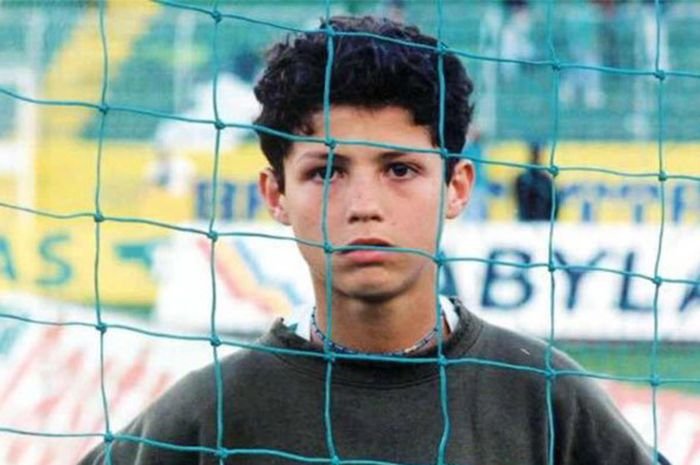
Bertahun-tahun kemudian, kaki kecil yang dulu berlari mengejar bola di jalanan Madeira telah membawanya jauh: latihan tanpa lelah, kegagalan yang ditelan diam-diam, lalu perlahan-lahan, panggung dunia. Namun di antara semua yang ia raih, wajah wanita di restoran cepat saji itu tidak pernah benar-benar pergi dari ingatannya. Ia bahkan sempat mencoba mencari keberadaannya, meski tanpa hasil.
Lalu, pada suatu hari biasa di Lisboa, di antara deru mobil dan wajah-wajah asing yang lalu-lalang, matanya berhenti pada seorang wanita paruh baya yang duduk sendirian dekat halte bus. Ada yang janggal—bukan asing, justru terlalu akrab. Sesuatu dalam caranya duduk, atau mungkin senyum yang belum sempat ia lihat, membuat Ronaldo tiba-tiba meminta sopirnya berhenti. Ia turun, mendekat, menatap wajah itu lebih lama dari yang wajar untuk orang asing—dan di situlah ia sadar: pencarian bertahun-tahun itu berakhir di sebuah halte bus yang tidak ia rencanakan.
Ronaldo mengundangnya ke rumah. Di meja makan, bukan sorotan kamera atau riuh stadion yang menemani mereka, melainkan percakapan sederhana. Dari situ ia tahu: wanita yang dulu begitu mudah memberi kini terlalu tua untuk bekerja, dan hidupnya jauh dari kata cukup.
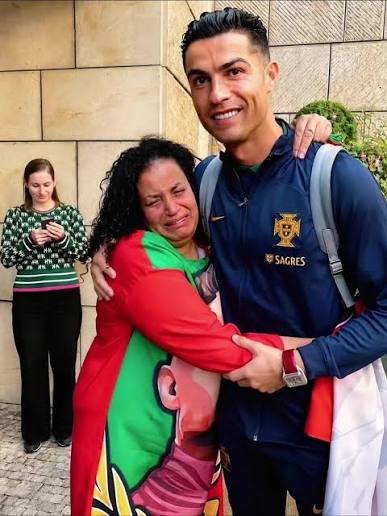
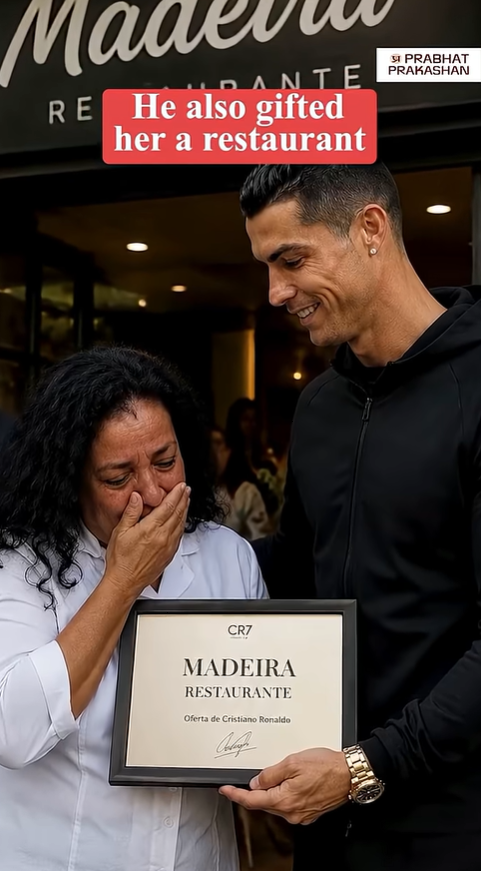
Ada sesuatu yang terasa tidak adil bagi Ronaldo—wanita yang pernah memberi tanpa berharap balasan, kini justru yang paling membutuhkan. Maka ia membuat keputusan yang tidak sekadar simbolis: ia menyerahkan kepemilikan salah satu gerai restorannya kepada wanita itu, memastikan sisa hidupnya tidak lagi ditentukan oleh kekurangan.
Kita mungkin tidak akan pernah menjadi Ronaldo. Tapi kita semua pernah, atau bisa, menjadi wanita di McDonald's itu—orang yang memilih peduli meski tidak ada yang mewajibkan. Itulah bagian dari cerita ini yang paling mudah kita tiru hari ini, tanpa menunggu jadi terkenal lebih dulu. (sty)
Editor's note: this story has circulated widely online, largely through a video that serves as its main source. The full details haven't been independently verified. We're sharing it here for the values it reflects, not as investigative reporting.
Long before he ever pulled on the jersey of one of Europe's elite clubs, Ronaldo was one of a small group of boys who showed up outside a McDonald's every night, not to buy anything, but hoping there might be leftovers still worth eating.
Among the staff who came and went each night, one woman never looked away. Nobody made her do it. She'd simply step outside, bring them food, and smile — as if feeding hungry kids wasn't a burden but a choice. For young Ronaldo, that smile may have been the only sure thing in an otherwise uncertain day.
Years later, those same small legs that once chased a ball through the streets of Madeira had carried him a long way: through relentless training, quiet failures, and, little by little, onto the world stage. But of everything he achieved, the face of that woman from the fast-food counter never really left him. He'd even tried to track her down, without any luck.
Then, on an ordinary day in Lisbon, amid the traffic noise and unfamiliar faces, his eyes landed on a middle-aged woman sitting alone near a bus stop. Something about her felt off — not unfamiliar, but too familiar. Something in the way she was sitting, or maybe a smile he hadn't seen yet, made him ask his driver to pull over. He got out, walked closer, and studied her face longer than you would a stranger's — and that's when it hit him: a search that had lasted years had just ended at a bus stop he never meant to stop at.
Ronaldo invited her to his home. At the dinner table, it wasn't cameras or a roaring stadium keeping them company, just an ordinary conversation. That's how he found out: the woman who once gave so freely was now too old to work, and far from having enough to get by.
Something about that didn't sit right with Ronaldo — the woman who'd once given without expecting anything back was now the one who needed help. So he did something that went well beyond a symbolic gesture: he signed over ownership of one of his restaurants to her, so the rest of her life would no longer be shaped by not having enough.
Most of us will never become Ronaldo. But all of us have been, or could be, the woman at that McDonald's — someone who chooses to care even when nothing requires it. That's the part of this story any of us can copy today, long before we're ever famous. (sty)
Nota do editor: esta história tem circulado bastante online, sobretudo através de um vídeo que serve de fonte principal para esta narrativa. Os pormenores não foram confirmados de forma independente. Partilhamo-la aqui pelo valor que transmite, não como reportagem de investigação.
Muito antes de vestir a camisola de um dos grandes clubes europeus, Ronaldo era um dos rapazes de um pequeno grupo que aparecia todas as noites à porta de um McDonald's, não para comprar nada, mas na esperança de que sobrasse alguma comida ainda boa.
Entre os funcionários que iam e vinham todas as noites, havia uma mulher que nunca desviava o olhar. Ninguém a obrigava a nada. Ela simplesmente saía, trazia-lhes comida e sorria — como se alimentar crianças com fome não fosse um fardo, mas uma escolha. Para o pequeno Ronaldo, aquele sorriso era talvez a única certeza num dia cheio de incertezas.
Anos mais tarde, as mesmas perninhas que outrora corriam atrás de uma bola pelas ruas da Madeira já o tinham levado longe: por treinos sem fim, fracassos vividos em silêncio e, pouco a pouco, até ao palco mundial. Mas, de tudo o que alcançou, a cara daquela mulher do balcão do fast-food nunca lhe saiu mesmo da cabeça. Chegou a tentar procurá-la, sem sucesso.
Depois, num dia como outro qualquer em Lisboa, entre o barulho do trânsito e caras desconhecidas, o olhar dele parou numa mulher de meia-idade sentada sozinha perto de uma paragem de autocarro. Havia ali algo estranho — não desconhecido, mas familiar demais. Algo na forma como estava sentada, ou talvez um sorriso que ele ainda não tinha visto, fê-lo pedir ao motorista para parar. Saiu do carro, aproximou-se e ficou a olhar para aquele rosto mais tempo do que seria normal para uma desconhecida — e foi aí que percebeu: uma busca de anos tinha acabado de terminar numa paragem de autocarro onde nunca pensara parar.
Ronaldo convidou-a para ir a sua casa. À mesa de jantar, não foram câmaras nem um estádio a rugir que os acompanharam, mas sim uma conversa simples. Foi assim que soube: a mulher que outrora dava com tanta facilidade estava agora velha demais para trabalhar, e longe de ter o suficiente.
Havia ali qualquer coisa que não parecia justa a Ronaldo — a mulher que um dia deu sem esperar nada em troca era agora quem mais precisava. Por isso, tomou uma decisão que foi muito além do gesto simbólico: passou para o nome dela um dos seus restaurantes, para que o resto da vida dela deixasse de ser marcado pela falta.
A maior parte de nós nunca vai ser Ronaldo. Mas todos nós já fomos, ou podemos ser, a mulher daquele McDonald's — alguém que escolhe importar-se mesmo quando nada a isso obriga. É essa a parte desta história que todos podemos repetir hoje, muito antes de sermos famosos. (sty)